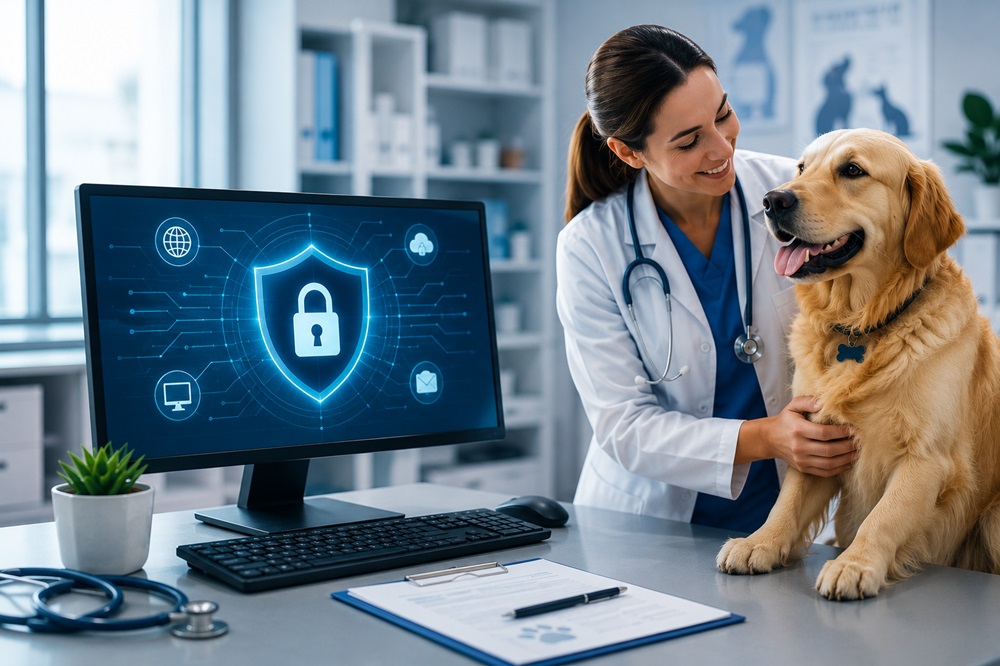
Veterinary clinics today depend heavily on technology to deliver efficient and effective care. From managing pet medical records to processing payments and coordinating appointments, digital systems are at the heart of daily operations. This reliance makes managed IT for veterinary clinics not just a convenience but a critical component of running a successful practice.
Cybersecurity plays an equally vital role, protecting sensitive data that includes client personal information, prescription details, and employee records. Veterinary managed IT services specialize in securing these assets against growing cyber threats targeted specifically at veterinary practices.
You face unique challenges in maintaining your clinic’s technology environment:
- Diverse systems including imaging devices, cloud services, and practice management software require specialized IT support.
- Cybersecurity threats like ransomware and phishing can disrupt patient care and damage trust.
- Regulatory compliance demands secure handling of protected information.
Managed IT services tailored for veterinary clinics address these issues by providing comprehensive technology management combined with robust cybersecurity measures. This ensures your clinic operates smoothly, safeguards sensitive data, and remains focused on delivering quality animal care without interruption.
The Unique IT Environment of Veterinary Clinics
Veterinary clinics handle a wide range of sensitive information that requires special care and protection. This includes:
- Pet medical records: Detailed health histories, vaccination records, diagnostic results, and treatment plans.
- Client personal information: Names, addresses, phone numbers, email addresses, and sometimes insurance details.
- Payment data: Credit card information, billing statements, and transaction histories.
- Prescription records: Controlled substance logs and medication histories critical for regulatory compliance.
- Employee files: Personal identification details, payroll information, and performance records.
In addition to this data, veterinary clinics depend on a network of digital systems that are crucial for both patient care and business operations. These systems consist of:
- Networks and servers: The infrastructure that enables communication between devices and securely stores data.
- Cloud services: Remote servers that host practice management software and allow access to client and patient information from various locations.
- Imaging equipment: Digital x-rays, ultrasounds, and other diagnostic tools integrated with the clinic’s IT setup.
- Connected medical devices: Vital sign monitors and lab equipment that directly interface with electronic health records.
The successful integration of these different technologies creates an environment where every element must work smoothly together. Any disruption in this system can result in delayed treatments or mistakes in patient care.
Why Specialized IT Support is Essential
Veterinary clinic technology has specific requirements that set it apart from regular office settings or even human healthcare facilities. This is why specialized IT support is necessary:
- Practice management software tailored to veterinary workflows: This software needs expert configuration and maintenance to ensure efficient scheduling, billing, and record keeping.
- Medical imaging systems with specialized drivers: These systems rely on specific drivers and real-time network connections that require constant monitoring.
- Compliance requirements for controlled substances prescriptions: Handling prescriptions for controlled substances involves strict access controls and audit trails within IT systems to meet regulatory obligations.
Without dedicated IT professionals who understand these veterinary-specific needs, clinics face the risk of system failures or security vulnerabilities. Such incidents could compromise sensitive data or disrupt critical services.
The Role of Managed IT Providers
Managed IT providers with experience in the veterinary industry possess the technical expertise needed to reliably support these intricate systems while protecting valuable information assets. They can offer tailored solutions that address the unique challenges faced by veterinary clinics:
- Expertise in practice management software: Managed IT providers can assist with the setup and ongoing maintenance of software designed specifically for veterinary practices.
- Monitoring of medical imaging systems: By keeping a close watch on network connections and ensuring proper functioning of drivers, managed IT providers can prevent disruptions in diagnostic processes.
- Compliance support for controlled substances prescriptions: With knowledge of regulatory requirements surrounding controlled substances, managed IT providers can implement necessary controls within IT systems to maintain compliance.
By partnering with such specialized managed service providers (MSPs), veterinary clinics can enhance their operational efficiency while minimizing risks associated with technology failures or data breaches.
Increasing Cybersecurity Threats Targeting Veterinary Practices
Veterinary clinics face a growing landscape of cyber threats that specifically target their unique digital environments. Understanding these threats helps you recognize the urgent need for robust cybersecurity measures.
Common Cyber Threats to Veterinary Clinics
1. Ransomware Attacks on Veterinary Clinics
Ransomware is one of the most damaging cyber threats. It involves malicious software that locks you out of your essential systems, including patient records, appointment schedules, and diagnostic tools. When ransomware strikes, your clinic may be forced to halt operations while negotiating with attackers or restoring data—often at significant financial cost and risk to patient care.
2. Phishing Attacks in Veterinary Practices
Phishing attacks target your staff by sending deceptive emails designed to steal login credentials or deploy malware. These emails can appear legitimate, making it easy for unsuspecting employees to click on harmful links or attachments. Once credentials are compromised, attackers gain unauthorized access to sensitive systems.
3. Email Compromises Leading to Financial Fraud
Attackers frequently exploit email accounts to initiate fraudulent transactions, such as redirecting payments or requesting unauthorized transfers. Email compromise incidents in clinics can lead to significant financial losses and damage trust with vendors and clients.
Vulnerabilities Exposing Veterinary Clinics
Several common weaknesses make veterinary clinics attractive targets for cybercriminals:
1. Weak Passwords
Simple or reused passwords increase the chance of unauthorized access. Without enforcing strong password policies or multi-factor authentication (MFA), clinics leave doors open for attackers.
2. Outdated Software
Software that isn’t regularly updated contains vulnerabilities hackers can exploit. Many veterinary clinics use practice management software and medical devices that require constant patching to stay secure.
Consequences of Cybersecurity Breaches
Failing to address these threats leads to serious consequences:
- Operational Disruption: Locked-out systems mean canceled appointments, delayed treatments, and lost access to critical diagnostic information. This disrupts workflow and compromises patient care quality.
- Reputational Damage: Clients entrust their pets’ health—and personal data—to your clinic. A breach erodes this trust and could drive clients away if they feel their information isn’t adequately protected.
- Financial Losses: Costs associated with ransomware payments, system restoration, legal fees, and potential regulatory fines add up quickly after an incident.
The Importance of Cybersecurity in Veterinary Clinics
Veterinary clinics rely heavily on digital systems for both patient care and business operations. The importance of cybersecurity for veterinary clinics goes beyond just protecting data. It directly impacts the ability to provide timely, accurate treatment and maintain trust with clients.
Protecting Patient Care Systems
Patient medical records, diagnostic images, and prescription histories are all stored electronically. A cyber incident that compromises these systems can:
- Delay or halt access to critical patient information
- Prevent timely administration of treatments
- Disrupt communication between veterinary staff and pet owners
Without secure IT infrastructure, patient safety is at risk. Cybersecurity protects these systems by preventing unauthorized access and ensuring data integrity.
Safeguarding Client Trust
Clients entrust your clinic with sensitive personal information about themselves and their pets. Data breaches or service interruptions shake this trust deeply. Consequences include:
- Loss of client confidence
- Negative reviews and word-of-mouth impact
- Potential legal liabilities related to privacy violations
Maintaining strong cybersecurity demonstrates commitment to protecting client privacy, which helps preserve long-term relationships.
Ensuring Business Continuity
Cyber attacks often aim to disrupt operations—locking systems with ransomware or corrupting databases. Such interruptions can:
- Bring scheduling and billing to a standstill
- Lead to significant financial losses from downtime
- Force costly recovery efforts that divert resources from care
Cybersecurity safeguards business continuity by reducing the risk of operational shutdowns, helping clinics remain functional even under threat.
An Ongoing Commitment
Effective cybersecurity is not a one-time fix but a continuous process involving:
- Constant monitoring for emerging threats and vulnerabilities
- Regular software updates and patches to close security gaps
- Ongoing staff training to recognize phishing attempts and follow best practices
Managed IT providers for veterinary clinics specialize in overseeing these activities proactively. This sustained vigilance helps prevent incidents before they occur and ensures rapid response if issues arise.
Key Cybersecurity Measures for Veterinary Clinics
Veterinary clinics must implement layered security measures tailored to their unique IT environment. These strategies protect sensitive data, ensure system availability, and reduce the risk of cyberattacks disrupting operations.
Managed Endpoint Protection on All Devices
Every device connected to your network, from desktops and laptops to tablets and medical imaging equipment, requires comprehensive endpoint protection. This includes antivirus, anti-malware, and real-time threat detection software managed centrally. Endpoint protection for vet clinics stops malicious software before it infiltrates your systems, safeguarding patient records and client information.
Two-Factor Authentication (2FA) for Critical Systems
Passwords alone are no longer sufficient. Implementing two-factor authentication adds a vital extra layer of security by requiring users to provide a second form of verification such as a text message code or authentication app prompt. For vet practices, 2FA is essential on practice management software, email accounts, billing systems, and any portal accessing prescription or controlled substance records.
Regular Software Updates and Security Patches
Cybercriminals exploit vulnerabilities in outdated software. Keeping operating systems, applications, firmware on connected devices, and security tools up-to-date closes these gaps quickly. Vet clinics benefit from automated patch management systems that reduce manual oversight and ensure timely updates without interrupting daily workflows.
Encrypted Offsite and Cloud Backups
Data backup is critical but must be secure to prevent unauthorized access or tampering. Encrypted backups stored offsite or in the cloud provide resilience against ransomware attacks that attempt to encrypt or destroy local data copies. These backups allow rapid restoration of patient files, appointment schedules, financial records, and other essential data after a cyber incident.
Continuous Cybersecurity Training for Staff
Human error remains one of the top cybersecurity risks. Ongoing training educates veterinary clinic employees about phishing schemes, social engineering tactics, safe internet habits, password hygiene, and recognizing suspicious activity. Well-informed staff act as an effective frontline defense against cyber threats targeting your practice.
Proactive Threat Monitoring and Incident Response
Monitoring network activity continuously identifies unusual patterns that may indicate an attack in progress. Managed IT services can provide 24/7 threat detection coupled with rapid incident response plans tailored for veterinary environments. Early detection limits damage by containing breaches before they escalate into full-scale disruptions.
Layered security measures veterinary IT teams deploy combine these components into a cohesive defense strategy. Endpoint protection vet clinics use protects individual devices while two-factor authentication vet practices adopt secures access points. Together with regular updates, encrypted backups, staff training, and proactive monitoring, these efforts create a resilient cybersecurity posture that supports uninterrupted patient care and business functions.
Benefits of Managed IT Services Tailored for Your Veterinary Clinic
Your vet clinic operates with specialized software and hardware designed specifically for animal healthcare. Managed IT providers who focus on veterinary practices deliver benefits managed IT your veterinary clinic can’t afford to overlook.
1. Understanding Your Unique Software and Hardware Needs
Your team relies on practice management systems, diagnostic imaging devices, prescription tracking software, and connected medical equipment. These technologies demand specialized IT support your vet practice can trust. Managed IT teams familiar with these tools ensure compatibility, optimal configuration, and seamless integration across platforms.
2. Comprehensive Support for Smooth Operations
Downtime or glitches in client management systems or diagnostic devices can disrupt patient care and administrative workflows. A managed IT provider offers proactive monitoring and rapid troubleshooting to prevent interruptions. This comprehensive support covers networks, servers, cloud services, and even peripheral medical equipment, maintaining consistent functionality.
3. Fast Response Times When Issues Arise
Your internal IT teams may struggle with resource constraints or lack deep expertise in veterinary-specific technology. An MSP provides dedicated assistance with quick turnaround times, minimizing the impact of technical problems on your clinic’s daily operations.
4. Personalized IT Services Veterinary Clinics Need
Every practice has distinct workflows and technology preferences. Tailored solutions from a managed service provider align with your clinic’s size, specialty areas, and growth plans. This personalized IT service ensures your technology supports efficient patient care and business management.
5. Regular Maintenance and Strategic Planning
Beyond fixing immediate issues, managed IT services involve ongoing maintenance schedules and strategic upgrades. This forward-looking approach helps your clinic stay current with evolving technology trends while avoiding costly surprises.
6. Enhanced Security Posture Through Expertise
Managed providers implement best-practice cybersecurity measures customized for veterinary data protection requirements. Their expertise reduces vulnerabilities in your infrastructure that generic IT teams might miss.
Partnering with a managed IT service built around the unique demands of veterinary medicine transforms technology from a potential liability into a dependable asset supporting clinical excellence and operational efficiency.
How Managed IT & Cybersecurity Help With Compliance
Veterinary clinics must comply with various data protection regulations that aim to protect sensitive information. Although veterinary practices may not be directly governed by healthcare laws such as HIPAA, many areas have similar rules or local laws that mandate strict control over client data, pet medical records, payment details, and prescription information. It’s important to take steps to adhere to these regulations to avoid potential breaches, loss, and damage to your clinic’s reputation.
Key regulatory compliance requirements for clinics may include:
- Confidentiality of client and patient records: Ensuring unauthorized parties cannot access personal or medical information.
- Secure transmission and storage of data: Using encryption standards for emails, cloud backups, and internal systems.
- Access controls: Limiting system entry to authorized personnel only through strong authentication methods.
- Audit readiness: Maintaining detailed logs of data access and system changes for potential inspections or investigations.
- Data breach response plans: Having protocols in place to promptly address any security incidents involving personal data.
A managed IT service provider can help your clinic meet these stringent demands by implementing comprehensive cybersecurity frameworks tailored for your practice’s unique environment. They establish secure handling procedures that cover every step from data collection to disposal.
A managed IT provider typically offers:
- Robust encryption tools ensuring that sensitive files remain protected both at rest and during transmission.
- Multi-factor authentication (MFA) enforcing stricter user verification beyond simple passwords.
- Regular vulnerability assessments and penetration testing to identify and remediate weaknesses before they can be exploited.
- Automated patch management keeping all software up-to-date with the latest security fixes.
- Continuous monitoring solutions detecting suspicious activity or unauthorized access attempts immediately.
- Detailed reporting features facilitating compliance audits by documenting security measures and incidents thoroughly.
These measures help maintain security without overwhelming your clinic staff who must focus primarily on animal care. Instead of reactive fixes after a breach or failed audit, managed IT services drive proactive risk management.
The peace of mind gained from knowing your clinic’s digital assets meet or exceed data protection regulations vet clinics face allows you to concentrate on delivering quality veterinary service. Tailored managed IT for veterinary clinics ensures that compliance is integrated into everyday operations rather than treated as an afterthought.
This strategic approach reduces the likelihood of costly fines, operational interruptions due to non-compliance issues, and damage to professional reputation caused by mishandling sensitive information.
Enhancing Operational Efficiency Through Managed IT
Your team depends on seamless technology to manage daily operations and deliver timely patient care. Managed IT can play a surprisingly big role in reducing stress on staff and improving client satisfaction.
Minimizing Downtime Vet Practices
Downtime caused by IT failures or slow systems directly impacts appointment scheduling, diagnostic testing, and treatment planning. Managed IT providers focus on proactive management techniques that prevent many common technical disruptions before they occur:
- Continuous system monitoring: Identifies potential hardware or software issues early, allowing technicians to address problems before they escalate into outages.
- Scheduled maintenance: Regular updates, patches, and system cleanups keep equipment running smoothly and secure against vulnerabilities.
- Rapid incident response: When unavoidable issues arise, managed IT teams provide fast troubleshooting and resolution to minimize operational interruption.
These strategies contribute significantly to minimizing downtime vet practices, ensuring that your clinic’s technology supports rather than hinders workflow.
Improving Scheduling Accuracy
Appointment scheduling software is vital for managing client flow and resource allocation within a clinic. Reliable IT infrastructure ensures this software operates without error or lag, avoiding double bookings or missed appointments that frustrate clients and staff alike.
Integration of practice management systems with digital calendars and automated reminders depends on a stable network environment maintained by managed IT professionals. This integration streamlines front desk operations, reduces manual errors, and improves communication with pet owners.
Enhancing Access to Diagnostic Tools
Diagnostic imaging devices such as digital x-rays, ultrasound machines, and lab result databases rely heavily on network connectivity and data accessibility. Managed IT services optimize these connections by:
- Ensuring high-speed, secure network configurations.
- Providing routine backups to prevent data loss.
- Maintaining compatibility between medical devices and software platforms.
Reliable access to diagnostic tools speeds up clinical decision-making, enabling veterinarians to provide quicker diagnoses and treatments.
Efficient technology management directly boosts clinic productivity. When systems function consistently without unexpected breakdowns or slowdowns, your team can focus fully on animal care. Well-maintained IT infrastructure also fosters confidence among staff who depend on these digital tools daily.
Protecting Your Clinic’s Reputation with Robust Cybersecurity Measures in Place
Your clinic’s reputation is one of its most valuable assets. Client trust protection vet practices depend on starts with safeguarding sensitive information and maintaining uninterrupted service. A single cyber incident can quickly erode confidence, making reputation management cybersecurity vet clinics a critical priority.
How Cybersecurity Prevents Damage to Your Clinic’s Image
Avoiding Data Breaches
Exposure of client personal details, pet medical records, or payment information can lead to public relations crises. Clients expect their data to be handled securely. Failure to do so raises doubts about your professionalism and reliability.
Preventing Service Interruptions
Cyberattacks like ransomware can lock access to vital systems including appointment schedules and diagnostic tools. This disruption directly affects patient care and frustrates clients waiting for timely services.
Mitigating Financial Fraud Risks
Email compromises targeting staff may result in fraudulent transactions or unauthorized payments. Such incidents not only cause financial harm but also signal weak internal controls to clients.
Why Visible Security Commitment Matters
Clients notice when clinics prioritize cybersecurity through clear policies and communication. Demonstrating proactive measures builds trust by showing that you take their privacy seriously.
- Display security certifications or compliance badges on your website and physical locations.
- Train staff regularly so they can confidently reassure clients about data protection.
- Share updates on your cybersecurity advancements as part of your client engagement efforts.
The Ripple Effect of Strong Cybersecurity on Client Retention
Maintaining robust defenses helps keep your clinic top-of-mind for existing clients and attracts new ones who value security as part of quality care. It reduces the risk that a cyber incident will force clients to seek services elsewhere due to lost confidence.
Visible dedication to cybersecurity transforms from a technical necessity into a strategic advantage in reputation management cybersecurity vet clinics cannot afford to overlook.
Choosing the Right Managed IT Partner for Your Veterinary Clinic Needs
Selecting a managed IT provider that understands the specific demands of veterinary clinics is crucial. Not every IT company has the expertise required to handle the unique technology environment or regulatory considerations in veterinary medicine. When you focus on selecting managed IT provider vet clinic expert veterinary IT support, several criteria help ensure you partner with the right team.
Key Considerations When Choosing Your Managed IT Provider
1. Industry-Specific Experience
Look for providers with proven experience supporting veterinary clinics. They should be familiar with common veterinary software like practice management systems (e.g., AVImark, Cornerstone), imaging equipment interfaces, and connected medical devices. Understanding these systems allows them to troubleshoot effectively and optimize your digital workflows without unnecessary downtime.
2. Tailored Solutions, Not One-Size-Fits-All
Clinics vary widely in size, specialty, and technology use. A managed IT partner must offer customized strategies rather than generic packages. This means assessing your clinic’s current infrastructure, security posture, and business goals to deliver solutions that fit your exact needs, whether it’s advanced cybersecurity layers, cloud migration support, or specialized hardware maintenance.
3. Rapid Response and Proactive Support
Veterinary clinics operate on tight schedules where system interruptions directly impact patient care and customer satisfaction. Fast response times from your managed IT team minimize disruptions. In addition to reactive support, proactive monitoring and maintenance catch potential issues before they escalate into costly problems.
4. Comprehensive Cybersecurity Expertise
The right partner must go beyond basic IT support by providing robust cybersecurity tailored for veterinary environments. This includes implementing endpoint protection across all devices, enforcing multi-factor authentication, managing secure backups, and offering ongoing staff training programs—all critical components of managed IT for veterinary clinics.
5. Transparent Communication and Reporting
Effective partnerships rely on clear communication channels. Your provider should keep you informed with regular reports on system health, security status, and upcoming updates or risks. Transparency builds trust and helps you make informed decisions about your clinic’s technology investments.
Why Veterinary Clinics Benefit from Specialized Managed IT Support
Veterinary-specific managed IT experts combine technical skills with an understanding of your operational priorities. They recognize that downtime means delayed treatments or billing issues. Their familiarity with veterinary workflows enables them to recommend technology upgrades or process improvements that directly enhance clinical efficiency.
Investing in a provider who is experienced with providing veterinary IT support ensures your clinic receives personalized attention tailored to safeguard both pet health records and business continuity.
This strategic partnership empowers you to focus on delivering quality animal care while confident that your digital infrastructure is reliable, secure, and compliant with industry standards.
Conclusion: Streamline & Secure Your Vet Clinic Today
Your veterinary clinic deserves IT support that meets the unique challenges of your industry. Partnering with a managed IT provider who specializes in veterinary technology ensures your digital systems remain secure, efficient, and compliant.
Why choose IPM Computers for your veterinary IT needs?
- Customized managed IT solutions tailored specifically for veterinary clinics
- Expertise in safeguarding sensitive pet and client data
- Proactive cybersecurity to prevent disruptions and protect your reputation
- Fast, personalized support that keeps your practice running smoothly
Take the step today to protect your clinic’s future. Contact IPM Computers to explore how our managed IT solutions for vets can transform your technology environment. Secure patient care, maintain client trust, and enhance operational efficiency with IT solutions tailored to your team’s needs.
FAQs (Frequently Asked Questions)
Why is managed IT important for veterinary clinics?
Managed IT is critical for veterinary clinics because it supports the increasing reliance on digital systems essential for both veterinary care and business operations. It addresses the unique challenges faced by veterinary practices, ensuring smooth operation of sensitive data systems and connected medical devices.
What types of sensitive data do veterinary clinics handle that require specialized IT support?
Veterinary clinics handle a variety of sensitive data including pet medical records, client personal information, payment data, prescription records, and employee files. These require specialized IT support to ensure security and compliance with relevant regulations.
What are common cybersecurity threats targeting veterinary practices?
Common cybersecurity threats include ransomware attacks that lock essential systems, phishing attempts targeting staff credentials, and email compromises leading to financial fraud. Vulnerabilities such as weak passwords and outdated software increase these risks.
How do managed IT services enhance cybersecurity in veterinary clinics?
Managed IT services implement layered security measures like endpoint protection on all devices, two-factor authentication for critical systems, regular software updates, encrypted backups, continuous staff training, and proactive threat monitoring to safeguard veterinary clinics against cyber threats.
How can managed IT services help veterinary clinics comply with data protection regulations?
Managed IT providers assist veterinary clinics in maintaining compliance with data protection laws by securely handling sensitive data, ensuring audit readiness, and implementing robust cybersecurity protocols tailored to the veterinary industry’s regulatory requirements.
What should veterinary clinics consider when choosing a managed IT partner?
Veterinary clinics should select a managed IT provider knowledgeable about the unique needs of the veterinary industry, offering tailored solutions, comprehensive support for specialized software and hardware, rapid response times, and a strong commitment to cybersecurity and operational efficiency.